Revamp Your Outdoor Environment: Fresh Deck Design Solutions for Every Type of Home
Revamping an exterior living area using cutting-edge deck design significantly improves both its usability and curb appeal. Careful considerations in features, arrangement, and construction are vital for establishing a welcoming environment. When property owners aim to maximize their outdoor areas, grasping the fundamental aspects of quality deck construction is essential. What approaches can turn an ordinary deck into a captivating outdoor haven? Exploring the various components uncovers a wealth of opportunities for homes of every style.
Choosing the Right Decking Materials for Your Space
When choosing materials for decking, how does one determine the best fit for their outdoor living area? A detailed analysis of several factors is important. First, climate is a critical factor; materials need to hold up against regional weather patterns. To illustrate, composite decking provides excellent resilience in humid climates, while pressure-treated wood is better suited for drier climates.
Furthermore, maintenance needs must be taken into account. Certain materials require periodic sealing or staining, while others demand only occasional care. The desired aesthetic also influences the choice; homeowners could opt for the classic beauty of wood or the refined finish of composite or PVC materials.
Financial limitations represent another key consideration, as expenses can fluctuate greatly between material options. Lastly, reflecting on how the deck will be used—such as accommodating social events or crafting a tranquil sanctuary—will assist in directing the choice. By weighing these aspects, individuals can identify decking materials that blend with their exterior environment while satisfying everyday demands.
Designing for Functionality Before Aesthetics
Choosing the right decking materials paves the way for the next essential phase in outdoor deck planning: emphasizing practicality over visual appeal. Homeowners should first assess how the deck will be used, considering factors such as entertaining, dining, or relaxation. Effective design incorporates elements like built-in seating, storage solutions, and access points for easy movement.
Weather resistance and maintenance requirements also play a pivotal role in guaranteeing the deck remains practical throughout the seasons. To highlight a few key features, composite materials deliver exceptional durability, while non-slip surfaces promote greater safety.
Additionally, including features such as shading structures can enhance comfort while maintaining usability.
At the core of it all, a properly built deck improves the outdoor experience, allowing homeowners to enjoy their space more fully. By concentrating on everyday needs first, design details can be thoughtfully integrated later, developing a unified and practical outdoor retreat. Harmonizing these aspects confirms the deck meets its core objectives while remaining aesthetically pleasing.
How to Design Multi-Level Decks for Visual Appeal
Upgrading outdoor living environments by incorporating stacked deck configurations generates dynamic visual interest and strengthens functionality. Through varying the tiers of the deck, homebuilders can develop dedicated spaces for various purposes, such as relaxing, entertaining, or planting. This layered approach not only optimizes space but also promotes a degree of coziness and differentiation between every area.
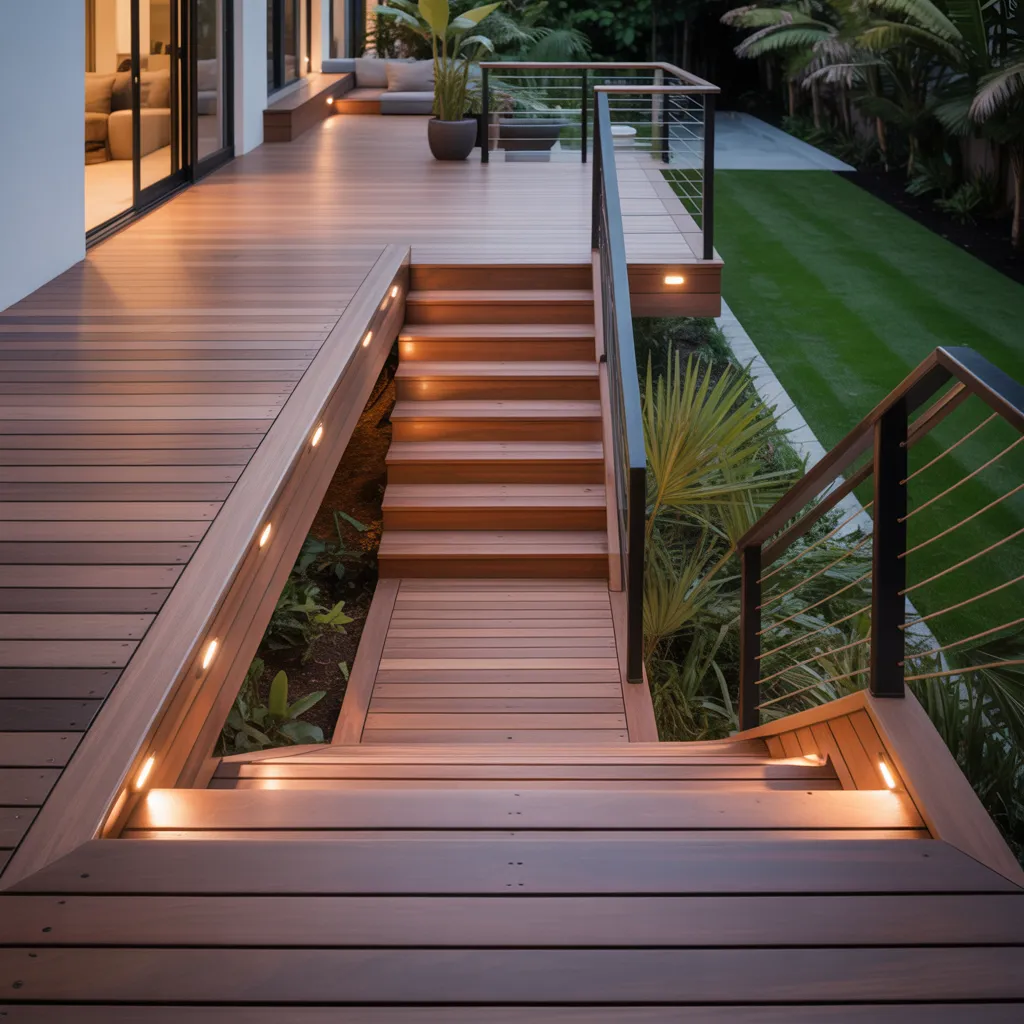
To attain this look, detailed planning is key. Property owners should evaluate the natural contours of the landscape and the perspective from multiple viewpoints. Including steps or ramps can connect different levels seamlessly while prioritizing safety. Using diverse materials—such as wood, composite, or stone—can significantly elevate the visual impact, permitting innovative design arrangements.
In addition, integrating custom seating or planters at different levels contributes both practicality and aesthetic beauty. Ultimately, a well-designed multi-tiered deck elevates a typical outdoor space into an enchanting, multi-dimensional space that encourages rest and leisure.
Incorporating Effective Lighting Solutions for Your Deck
Thoughtful lighting installations can transform a deck into an enchanting evening retreat, enhancing both safety and ambiance. Carefully positioned fixtures can highlight walking areas, guaranteeing safe movement while contributing aesthetic value. Options such as recessed lighting in steps or under railings deliver soft light without dominating the environment.
String lights can establish a warm, inviting atmosphere, stringing them across pergolas or beams for a celebratory touch. Solar lanterns or garden stake lights are sustainable choices that need little setup, offering a subtle radiance throughout the nighttime hours.
For a more modern approach, LED strips are ideal for installation along edges or under furniture, delivering a range of color and brightness settings. In addition, adding dimmable lighting gives homeowners control over the atmosphere, making the deck suitable for both lively gatherings and intimate evenings. By merging utility with design, well-chosen lighting options enhance the enjoyment of outdoor areas.
Crafting Inviting Outdoor Living Spaces
Establishing a inviting outdoor living space involves deliberate consideration of inviting seating options, which foster conversation and relaxation. Moreover, atmospheric lighting arrangements can elevate the ambiance, making evenings increasingly welcoming. Incorporating inviting fire fixtures additionally provides a focal point and warmth, turning the deck into a enchanting sanctuary.
Relaxing Seating Choices
Since outdoor areas commonly act as extensions of the living space, carefully selected seating arrangements can turn them into charming sanctuaries for leisure and gathering. In pursuit of this goal, homeowners might evaluate several alternatives that blend coziness with design. Comfortable lounge chairs, cushioned outdoor sofas, and hammocks establish cozy nooks for relaxation. Sectional arrangements deliver adaptability and can support larger social events, while built-in benches make the most of available space and offer a polished finish. Placing cushions and accent pillows improves coziness and promotes more leisurely gatherings. For an element of sophistication, wicker or rattan furnishings combine resilience with visual evaluation charm. Ultimately, selecting the right seating options not only elevates the design but also fosters a welcoming atmosphere for family and friends.
Ambient Illumination Solutions
Turning exterior spaces into inviting hideaways copyrights greatly on well-chosen atmospheric lighting options. Carefully planned illumination can elevate the ambiance, creating spaces that welcome relaxation and entertaining. Options such as string lights, lanterns, and solar-powered fixtures generate a cozy luminance that reduces sharp shadows and showcases design elements. Adding dimmable lighting provides flexibility, modifying illumination levels to match different atmospheres. Furthermore, embedded lighting in deck railings or stairs provides security while enhancing the general atmosphere. Combining various lighting elements, from floor-level to above, adds dimension and visual appeal. With thoughtful arrangement of these components, one can create a peaceful atmosphere that encourages guests to decompress and savor the wonders of the outdoor world.
Warm Fireplace Features
Inviting fire elements can significantly enhance outdoor living spaces, delivering heat and a gathering point for get-togethers. These features, extending from basic fire pits to refined outdoor fireplaces, create an inviting atmosphere perfect for socializing or relaxing under the stars. Residents may pick from a wide range of materials and aesthetics, like traditional stone, rustic brick, or sleek metal styles, to complement their existing decor. Furthermore, adding cozy seating arrangements near the fire elevates the overall ambiance, inspiring visitors and family members to extend their time outdoors. During the design process, it is essential to consider safety measures and municipal guidelines concerning open fires. At its core, a carefully planned fire element turns an outdoor setting into a seasonal haven, enabling residents to make the most of their outdoor area throughout the year.
Important Deck Maintenance Tips for Durability
Keeping up a deck is crucial for extending its lifespan and preserving its attractive appearance. Regular cleaning is a foundational step; clearing away waste and cleaning the surface can prevent mold and mildew growth. It is wise to use a gentle cleaner made especially for decking materials, guaranteeing that no strong chemicals deteriorate the surface.
Checking the deck for signs of wear, such as splintering or loose boards, is vital. Swiftly handling these problems can minimize the risk of greater harm. In addition, using a weather-resistant sealant every few years serves to guard the deck from weathering and ultraviolet damage, prolonging its durability.
Routine seasonal upkeep, like examining metal components for rust and fastening any screws that have come loose, must not be ignored. Additionally, throughout the winter months, clearing snow and ice will prevent unnecessary weight and damage. By implementing these critical maintenance practices, homeowners can enjoy a beautiful and durable deck for years to come.
Customizing Your Deck: Distinctive Features and Accessories
A properly cared-for deck offers an ideal foundation for personalization and creative expression. Property owners can transform their outdoor areas by integrating special features and accents that express their individual taste. As an example, ornamental railings, including glass panels or detailed wrought iron, can enhance visual appeal while ensuring safety.
Moreover, including combined seating and storage elements provides usefulness without diminishing beauty. Patio rugs, cushions, and soft throws in rich and vivid shades can establish a warm and welcoming ambiance, rendering the deck a charming outdoor haven.
Lighting selections, such as string lights, torches, or embedded lighting, can transform the ambiance during evening gatherings. Adding planters brimming with seasonal blooms or herbs introduces an organic feel, while a fire feature or space heater allows enjoyment during colder seasons. By deliberately incorporating these components, property owners can design a customized outdoor space that balances practicality and aesthetics, turning it into a seamless continuation of their living space.
Popular Questions We Receive
Which Plants Work Best to Enhance My Deck Design?
To complement a deck design, think about adding decorative grasses, stunning flowering perennials, and easy-care succulents. These plants add texture, color, and seasonal interest, improving the overall look while providing a welcoming outdoor atmosphere.
What Are the Best Ways to Add Privacy to My Outdoor Deck Space?
To enhance privacy on an outdoor deck, one may consider using outdoor curtains, tall planters, privacy screens, or trellises with climbing plants. These elements cultivate a sheltered setting, enabling relaxed and undisturbed use of the area.
Which Permits Do I Need to Construct a Deck?
Before beginning deck construction, one typically needs to obtain construction permits from local authorities. Requirements differ based on your area, frequently encompassing structural details, site plans, and adherence to zoning regulations to ensure legal compliance and safety.
How Do I Choose the Right Deck Color Scheme?
To select the ideal deck color scheme, one should consider the home's outside appearance, surrounding landscape, and personal aesthetic. Coordinating these elements achieves a balanced visual while guaranteeing the deck suits its environment beautifully.
Is It Possible to Build a Deck on Uneven Ground?
Indeed, a deck can be installed on uneven ground by incorporating adjustable post bases or establishing a raised platform. Thorough planning and leveling are critical to ensure the stability and safety of the structure.